November 4, 2026
Properly maintaining your vehicle's braking system is essential for safety and performance. This article explores the differences between brake pads and rotors, common questions, and various aspects of brake repairs. Braking systems are a crucial component in vehicles, and understanding their functionality helps drive safely and efficiently.
Braking problems not only compromise safety but can also lead to costly repairs if not addressed promptly. According to a Heliyon study, brake and tire defects account for roughly 65% of vehicle defects associated with crashes. Therefore, knowing the ins and outs of your vehicle's braking components becomes imperative.
What are Brake Pads and Rotors?
Definition of Brake Pads
Brake pads are a critical part of a vehicle's braking system. They are composed of specialized materials designed to slow down and stop the vehicle. Positioned within the caliper, brake pads create friction against the rotors whenever the brake pedal is pressed, transforming kinetic energy into thermal energy, which helps to decelerate the vehicle.
The materials used in brake pads can vary from organic compositions to semi-metallic and ceramic mixtures, each offering different levels of performance and longevity. Their primary aim is to ensure safety by providing efficient stopping power under varied driving conditions.
Definition of Rotors
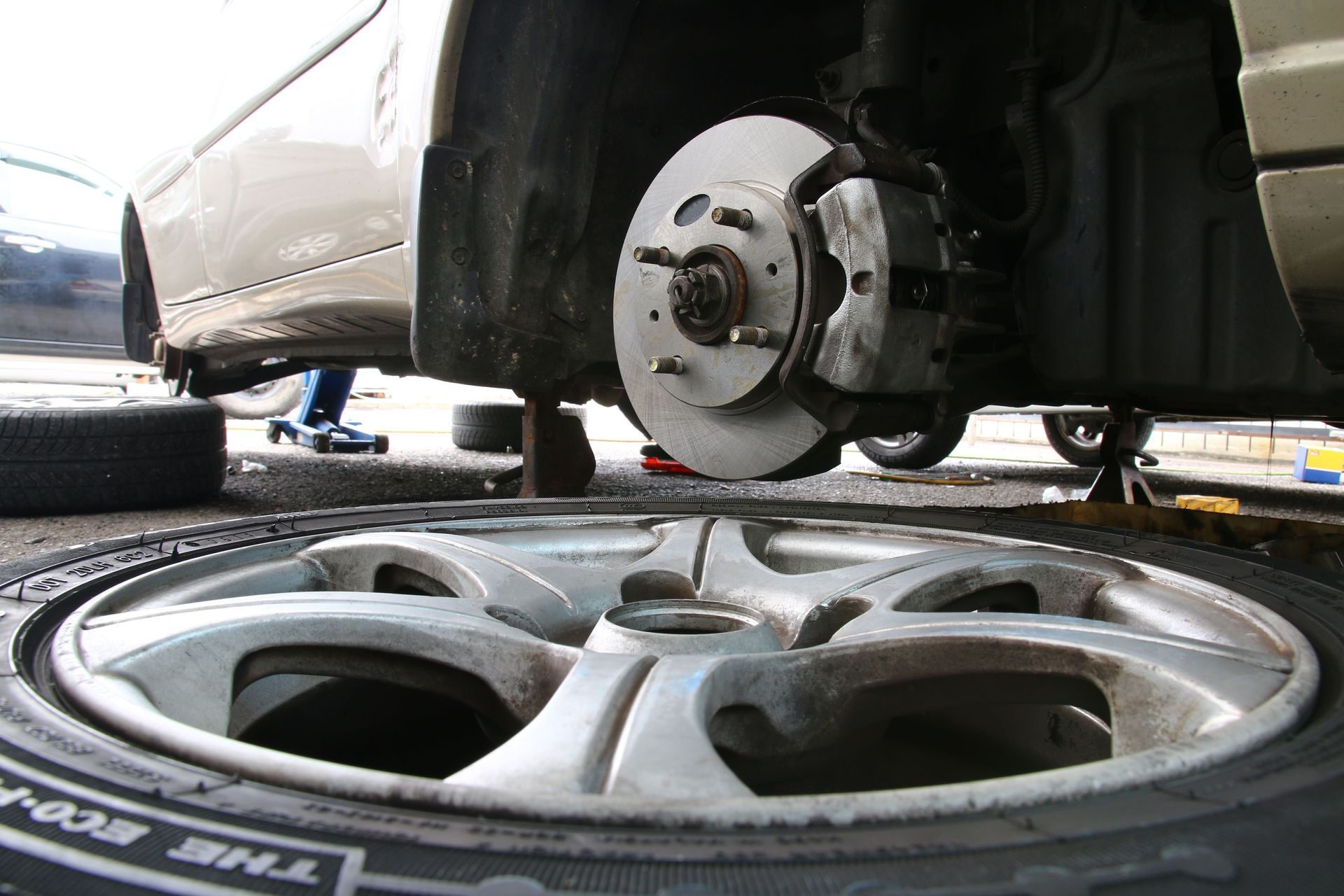
Rotors, also known as brake discs, are connected to each wheel and rotate with it. They work in conjunction with brake pads to stop the vehicle. When you engage the brakes, the pads clamp down on the rotors, producing friction that slows the wheel. Rotors are generally made of cast iron, although some high-performance vehicles might use rotors made from advanced materials like carbon composites.
Rotors come in different designs, such as solid, slotted, and drilled, each offering distinctive benefits. Their condition directly impacts the vehicle's ability to stop effectively, underscoring their vital role in overall vehicle safety.
Key Differences
While brake pads and rotors are both critical to the braking process, they differ in several key aspects. The primary differences lie in their material composition, design, and purpose. Brake pads are composed of friction material and are tasked with pressing into the rotors to create friction. Rotors are usually metallic and provide the surface that, when pressed upon by the pads, generates the necessary stopping force.
The shape of brake pads is typically flat with a thicker profile, optimized for making contact with rotors, whereas rotors are rounded and disc-like to mesh seamlessly with wheel assemblies. Their functions are symbiotic – neither can work correctly without the other, but their roles remain distinctly defined.
How They Work Together
The synergy between brake pads and rotors is pivotal for effective braking. As the brake pedal is depressed, hydraulic pressure in the braking system pushes the brake pads against the rotors. This interaction generates the friction needed to reduce wheel speed, transferring the kinetic energy of motion into heat that dissipates through the braking system.
This collaboration ensures the vehicle slows down efficiently. Regular maintenance, including the inspection and replacement of both pads and rotors when necessary, is essential to preserve the harmony and effectiveness of these critical components.
How do I Know if My Brake Pads or Rotors Need Replacing?
Signs of Worn Brake Pads
Worn brake pads commonly exhibit signs such as squealing or screeching noises when you apply the brakes. This is your vehicle's way of alerting you about the thinness of the brake pad material. Additionally, a significant indicator is the brake warning light on the dashboard, signaling the need for brake inspection soon.
Driving with worn brake pads can lead to damage to the rotors and a subsequent increase in repair costs. Therefore, addressing these symptoms promptly can avert further damage and ensure your brakes perform as intended.
Signs of Damaged Rotors
Rotors can exhibit several telltale signs when they begin to degrade. One of the most common symptoms is the pulsation or vibration felt in the brake pedal or steering wheel when braking. This occurs because of rotor warping or uneven wear. Additionally, if you notice a scraping sound or feel a significant decrease in brake effectiveness, it's a signal your rotors need a thorough inspection.
These symptoms might result from prolonged use of worn brake pads, which can abrade the rotors unevenly. Ensuring these issues are addressed early can prevent the need for more extensive brake repairs later on.
Inspection and Diagnosis
A detailed inspection offers insight into the state of your vehicle's brake pads and rotors. Visual inspections can reveal the thickness of brake pads, while tactile inspections measure rotor smoothness. It's advisable to have brakes inspected regularly by a professional to catch early indications of wear or damage before they escalate.
During an inspection, technicians will often take precise measurements to assess the life left in the pads and whether rotors may need resurfacing or replacing. Such processes are critical aspects of tackling potential brake-related issues effectively.
Costs Associated with Brake Repairs
Cost of Replacing Brake Pads
On average, replacing brake pads can cost anywhere from $150 to $300 per axle, depending largely on the quality of the pads and labor charges. Choosing high-quality brake pads might result in higher upfront costs, but these often provide better performance and longevity, making them worth the investment.
Budget brands may be cheaper but could wear out quicker, leading to more frequent replacements. Weighing cost versus quality ensures you get the best value and performance from your brake repairs over time.
Cost of Replacing Rotors
Replacing rotors is often more expensive than brake pads, with costs ranging from $200 to $500 per axle. Factors influencing these costs include rotor design, vehicle model, and regional labor rates. In some instances, rotors might be resurfaceable, offering a cost-effective alternative to full replacement.
Every situation is unique, so it’s crucial to consider these possibilities and discuss them with your mechanic to decide the best approach to manage rotor repairs or replacements.
Additional Repair Costs
Brake repairs can incur additional costs beyond pads and rotors. Labor expenses can vary greatly depending on the complexity of the job and the shop's hourly rates. Other parts, such as calipers and brake lines, might also need attention, adding to the overall repair bill.
Planning and accounting for these potential expenses creates a more comprehensive understanding of the total cost of brake repairs, allowing for better financial preparedness.
DIY vs. Professional Brake Repairs
Pros and Cons of DIY Repairs
DIY brake repairs can be rewarding, providing a sense of accomplishment and often saving on labor costs. By using resources such as tutorials or guides, many car owners find they have the skills needed to undertake basic repairs like replacing brake pads.
However, the downside includes the potential for errors, lack of access to professional-grade tools, and the risk of compromising vehicle safety. The expertise of a seasoned mechanic can outweigh the personal time and potential error risks involved in tackling sophisticated brake repairs oneself.
When to Consider Professional Services
Engaging professional services is advised when brake issues are beyond basic pad replacements or involve intricate knowledge of the entire braking system, such as complex rotor issues or potential brake line problems.
Professionals ensure that repairs meet required safety standards, often providing guarantees or warranties that DIY cannot. Busy schedules or insufficient knowledge further necessitate professional involvement to maintain safety. Reach out to General Auto Repair today to see how we can help you!