October 1, 2026
Keeping a vehicle on the road long past the initial purchase requires commitment, strategic planning, and consistent care. Modern vehicles possess impressive engineering capabilities, yet attaining exceptionally high mileage demands far more than basic luck. Drivers seeking maximum vehicle longevity must focus on comprehensive oversight across all mechanical systems to guard against critical wear and catastrophic engine or transmission failures over time. Every single mile accumulated introduces unique physical stress to the motor, steering setup, braking mechanism, and structural framework. This reality makes establishing a disciplined, structured approach toward ongoing upkeep absolutely non-negotiable for long-distance drivers.
Establishing disciplined automotive maintenance habits allows owners to bypass premature vehicle replacements and protect their long-term financial investments. Long-term vehicle reliability rests entirely on consistent attention to vital underlying components and proactive servicing schedules rather than reactive emergency repairs. Proactive drivers who stay ahead of scheduled fluid flushes and component inspections regularly enjoy hundreds of thousands of miles of trouble-free operation. Taking total control over your vehicle's mechanical trajectory shields you from unexpected highway breakdowns, maintains optimal fuel efficiency across changing seasons, and keeps overall transportation expenses remarkably manageable.
Maintaining Critical Engine Components And Fluids
Scheduled oil changes represent the single most impactful routine service for maximizing internal engine longevity over many years. Fresh motor oil continually reduces friction between high-speed moving components while simultaneously transferring excessive heat away from sensitive internal combustion chambers. Neglecting this simple maintenance task can lead to sludge build-up, which restricts oil flow and can cause overheating. Given that the average vehicle age on U.S. roads is currently 12.6 years, according to Car Lift Lab, following consistent maintenance routines is vital for older cars. Bringing your vehicle to a dependable local auto repair shop guarantees that your automobile receives the exact oil viscosity and chemical composition recommended by the manufacturer.
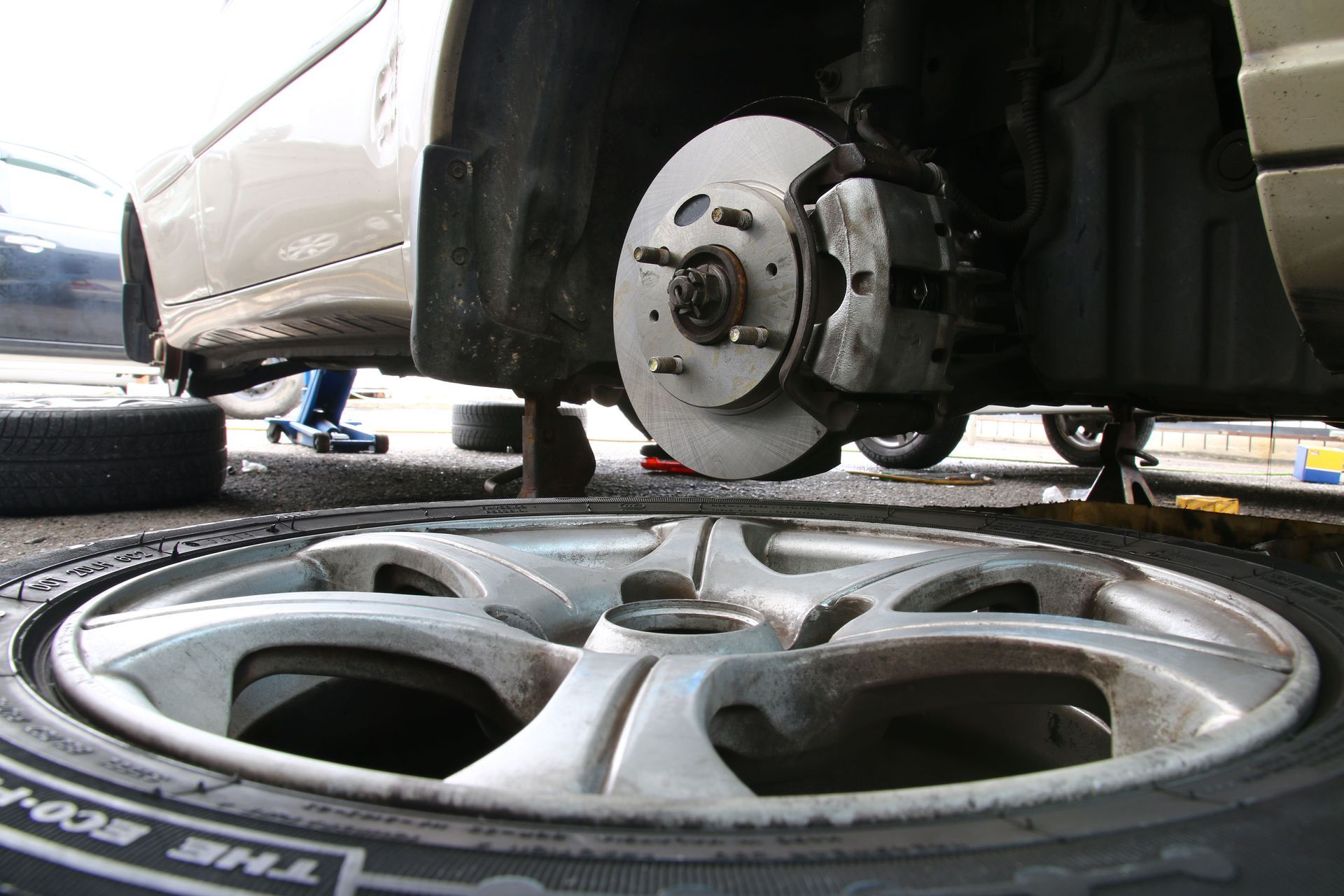
Comprehensive brake inspections and systematic fluid evaluations remain vital aspects of complete automotive system care. Monitoring hydraulic fluid cleanliness, brake pad thickness, and rotor conditions prevents sudden stopping degradation during critical road situations. Fluid networks powering the power steering, cooling system, and transmission similarly require regular monitoring to catch contamination or low levels before friction creates permanent damage inside delicate internal assemblies. Keeping these vital automotive fluids clean, properly pressurized, and fully topped off ensures that every primary drive system operates within its ideal thermal and mechanical boundaries.
Choosing Professional Services Over Inferior Alternatives
Partnering with certified automotive mechanics ensures that complex diagnostic evaluations and component replacements consistently meet exacting safety standards. Experienced technicians possess specialized diagnostic tools, specialized equipment, and years of practical knowledge designed to pinpoint subtle operational faults that standard visual checks miss. Working directly with an established local auto repair shop offers complete peace of mind, knowing that certified experts oversee every critical repair, system calibration, and routine component flush with high precision.
Selecting high-quality original equipment manufacturer replacement parts preserves original factory performance parameters over extended operating timelines. While cheaper secondary parts seem enticing as short-term budget choices, inferior materials frequently wear out prematurely or cause unexpected mechanical stress on surrounding mechanical assemblies. Investing upfront in superior replacement parts ultimately shields drivers from repetitive mechanical failures and compounding financial burdens down the road. Quality components maintain structural integrity longer, fit perfectly without modification, and provide predictable performance under demanding driving conditions.
Adapting Smooth Operational Driving Habits Daily
Adopting calm acceleration and gradual braking techniques drastically decreases mechanical stress on critical structural vehicle components. Hard acceleration stops and sudden bursts of speed generate intense thermal stress inside brake assemblies, overload the transmission, and put excessive torque on rubber engine mounts. Operating accelerator and brake controls smoothly preserves suspension integrity, minimizes premature tire tread degradation, and significantly reduces overall structural fatigue across internal drive systems over thousands of miles.
Minimizing frequent short trips preserves internal exhaust and engine components by allowing essential operational fluids to reach optimal working temperatures. Abbreviated driving cycles leave harmful moisture trapped inside exhaust manifolds, promoting internal rust formation and accelerating motor oil contamination over time. Combining daily errands into longer single journeys ensures motor oil circulates hot enough to evaporate condensation, keeping internal engine surfaces fully protected and dramatically extending internal service limits.
Protecting Vehicles From Harsh Environmental Damage
Shielding vehicle exteriors, delicate paint finishes, and undercarriages from extreme weather conditions guards structural metal against destructive oxidation. Parking in shaded areas or covered garages guards interior upholstery and dash plastics from harsh ultraviolet radiation, while routinely washing the undercarriage strips away corrosive winter road salts. Promptly applying protective wax coatings ensures the structural frame stays intact, guarding the body from rust spots that quickly compromise frame strength and overall safety.
Navigating seasonal climate shifts requires targeted vehicle preparations to successfully manage severe ambient temperature fluctuations. Cold winter weather stresses battery charge capacities and thickens vital lubricants, whereas intense summer heat places extreme pressure on radiator cooling networks. Scheduling tailored pre-season checks with a trusted local auto repair shop before winter or summer hits ensures complete operational readiness despite whatever adverse external conditions arrive.
Utilizing Modern Vehicle Monitoring Tools
Digital diagnostic applications and onboard telematics monitoring systems offer immediate actionable insights into overall vehicle health metrics. Tracking subtle changes in engine output, fuel economy, or system diagnostic trouble codes allows drivers to address minor mechanical anomalies long before serious disruptions occur. Combining modern digital monitoring technologies with traditional physical inspection techniques creates an unbeatable defense strategy against sudden roadside breakdowns.
Documenting all completed service work inside a detailed physical or digital maintenance log ensures complete accountability across the full lifetime of the car. Tracking fluid changes, component replacements, tire rotations, and professional inspections provides invaluable baseline data for future diagnostic procedures. Bringing accurate historical records to a professional local auto repair shop helps certified technicians quickly resolve complex operational issues without costly guesswork or unnecessary diagnostic labor.
Budgeting Wisely For Ongoing Mechanical Care
Establishing a dedicated vehicle maintenance fund completely eliminates the financial shock associated with major unexpected service requirements. Setting aside modest monthly financial contributions creates an effective financial cushion for replacing worn tires, timing belts, water pumps, or worn suspension components. Preparing financially prevents owners from delaying vital service steps when high-mileage parts naturally reach the end of their design lifespans.
Evaluating repair expenses against overall vehicle usability helps drivers make clear, rational fiscal choices regarding older automobiles. Investing in preventive maintenance remains far cheaper than taking on modern monthly auto loan payments with high interest rates and steep insurance coverage costs. Utilizing a reliable local auto repair shop allows vehicle owners to preserve their personal transportation assets efficiently while avoiding unnecessary capital expenditures on brand-new vehicles.
Securing Professional Assistance For Long-Term Vehicle Longevity
Achieving 200,000 miles or more requires proactive planning, smooth driving habits, quality replacement components, and consistent professional servicing. Building a solid maintenance routine centered around preventive care ensures optimal fuel efficiency, enhanced passenger safety, and complete operational peace of mind across every single journey. Taking proactive control of vehicle care today prevents minor mechanical wear from expanding into catastrophic, expensive breakdowns tomorrow.
Partnering with dependable automotive specialists guarantees that your vehicle receives top-tier care throughout its entire operational lifecycle. To protect your financial investment and keep your automobile running safely past major mileage milestones, visit General Auto Repair today to schedule your comprehensive vehicle inspection with an experienced
local auto repair shop.